
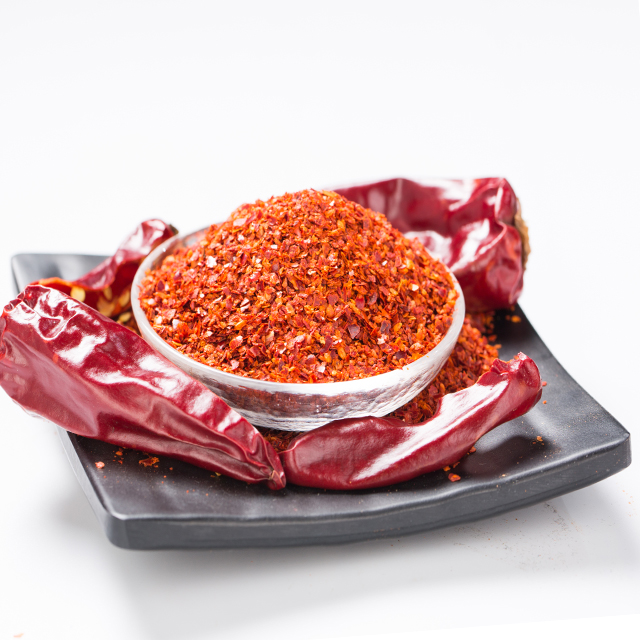
Premium paprika red pepper Oplossings for Japanese Food Manufacturing

Premium paprika red pepper Oplossings for Japanese Food Manufacturing

Premium paprika red pepper Oplossings for Japanese Food Manufacturing

Lorem ipsum dolor sit amet, consectetur adipisicing elit,

Premium paprika red pepper Oplossings for Japanese Food Manufacturing

Integrating high-grade spice technology with Japan's precision food standards to elevate flavor profiles in commercial seasoning.

Premium paprika red pepper Oplossings for Japanese Food Manufacturing

Delivering an industrial-grade spectrum of capsaicin and color stability tailored for the Japanese condiments market, ensuring consistency across every batch of Produkion.

Current Landscape of Spice Manufacturing in Japan

Analyzing the synergy between traditional Japanese tastes and modern imported spice requirements.

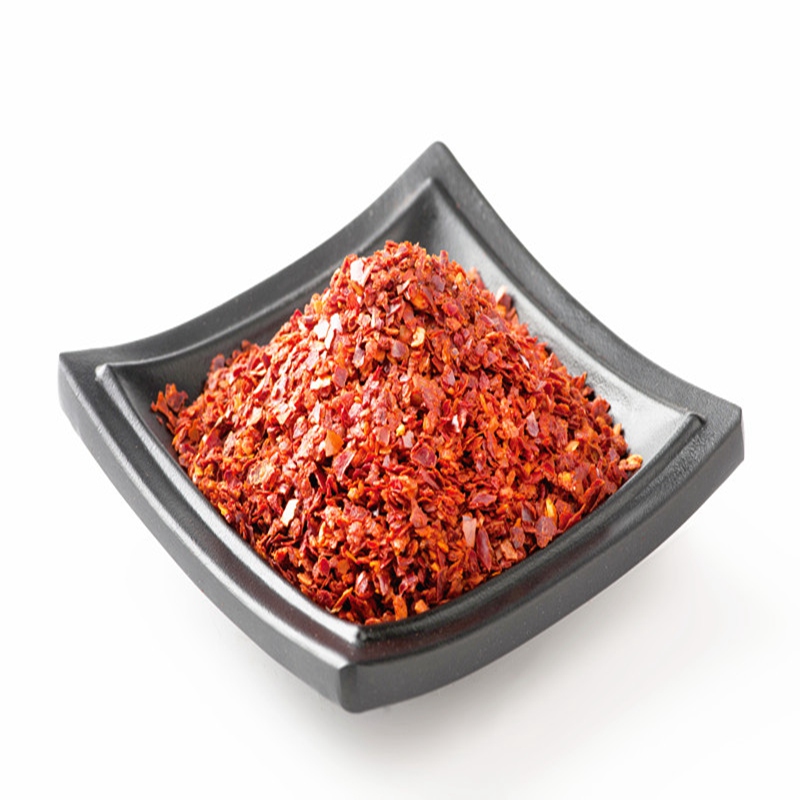
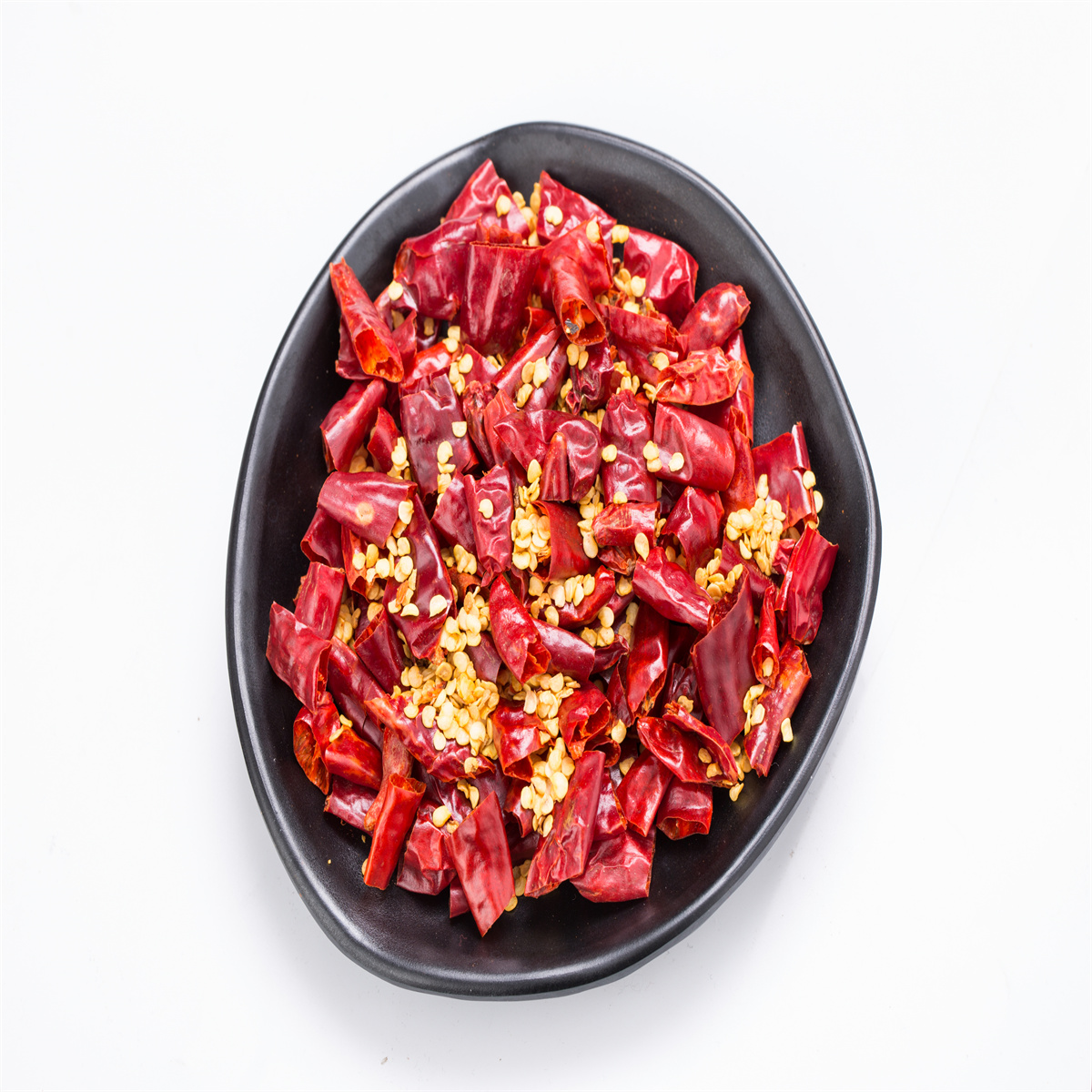
The Japanese food manufacturing sector is characterized by an extreme demand for purity and precise sensory profiles. In the realm of condiments, there is a growing shift towards integrating sweet chili flakes to cater to the expanding popularity of fusion Asian cuisines in urban hubs like Tokyo and Osaka.

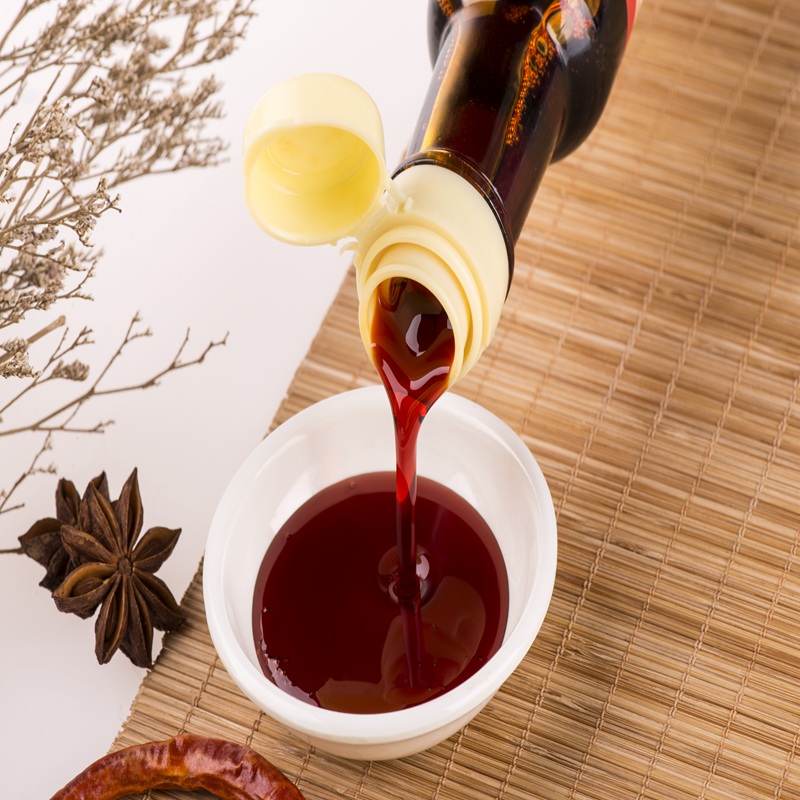
Due to Japan's humid climate and strict food safety laws (MHLW), the storage and stability of oils, such as chili seed oil, have become critical. Manufacturers are now prioritizing ingredients with low oxidation rates and high color retention to meet the aesthetic standards of Japanese retail packaging.

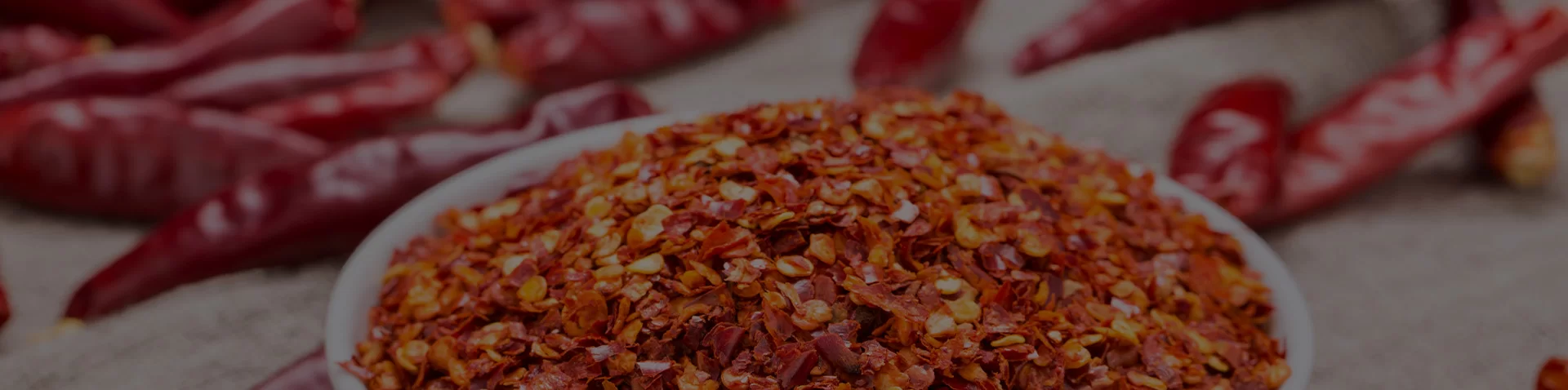
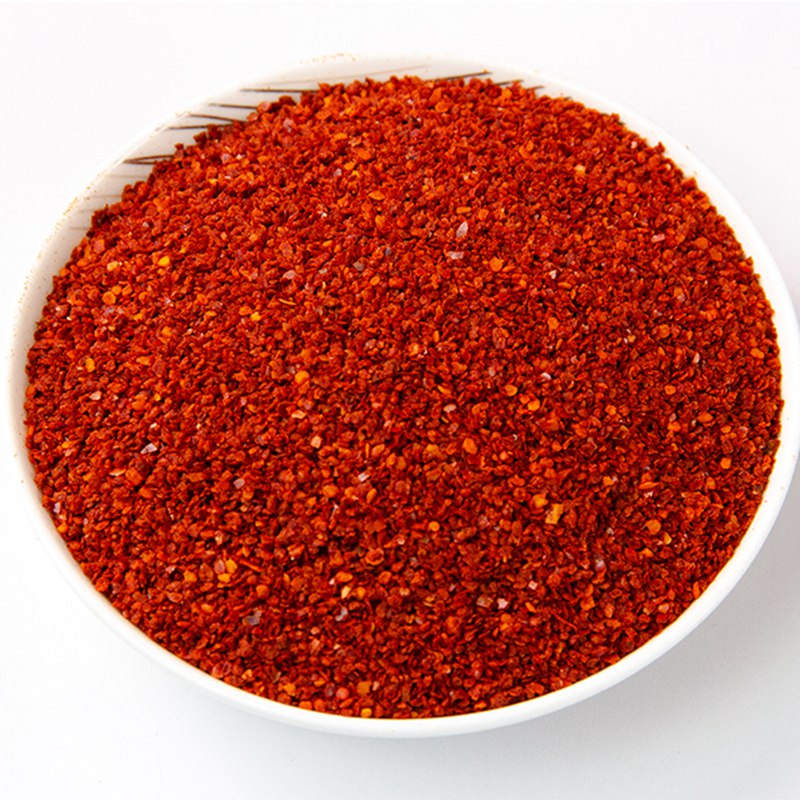
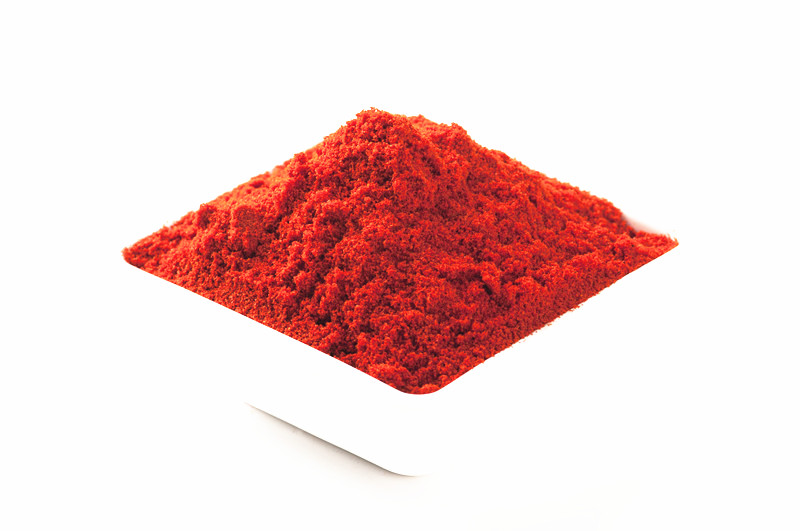
Furthermore, the industrial Toepassing of crushed chilli powder has evolved from simple heat addition to a complex layering of flavors, reflecting the Japanese culinary philosophy of "Umami" balanced with a controlled spicy kick.
Evolution and Technical Trajectory of Chili Processing

From artisanal grinding to automated precision milling for the Japan market.

Market Development History

Before 2000, the Japanese spice market relied heavily on coarse, traditionAlley dried peppers. The focus was primarily on basic heat, with limited control over the partikel size of chili pepper crushed Produkte, leading to inconsistent texture in commercial sauces.

Between 2010 and 2020, the industry underwent a "Precision Revolution." The introduction of cryogenic grinding and automated sorting Alleowed for the Produkion of standardized crushed chilli powder, enabling large-scale food factories to maintain identical flavor profiles across different Produkion lines.

Currently, the focus has shifted toward "Clean Label" manufacturing. The integration of advanced centrifugal extraction for oils and steam-sterilization for flakes ensures that ingredients meet Japan's stringent pesticide residue limits while maintaining natural vibrancy.

Future Development Trends

Micro-Encapsulation Technology

Moving toward the encapsulation of capsaicin to control the release of heat in processed foods, ensuring a prolonged shelf life for spicy condiments.

AI-Driven Color Grading

Implementing spectral analysis to ensure that every shipment of paprika red pepper matches the exact hex-code color required by Japanese brand identity guidelines.

Sustainable Sourcing & Traceability

Integrating blockchain to track the journey of the chili from the field to the Japanese factory, meeting the rising consumer demand for ethical sourcing.

Industry Trends and Strategic Outlook

Predicting the Vervolgens 3-5 years of condiment manufacturing in the Asia-Pacific region.

Hyper-Personalized Heat Levels
Development of customizable Scoville scales for B2B clients to create niche Produkte for various Japanese consumer demographics.
Cold-Press Extraction Growth
Increased adoption of cold-press methods for chili seed oil to preserve volatile aromatic compounds.
Hybrid Spice Blending
Merging sweet chili flakes with local Japanese ingredients like Shiso or Miso for innovative fusion tastes.
Smart Inventory IoT
Integrating IoT sensors in silos to monitor humidity levels for chili pepper crushed to Vorigeent clumping.

Industry Outlook

Google soek trends indicate a significant rise in "low-sodium spicy condiments" and "organic chili extracts" within the Japanese market. This suggests that the Vervolgens wave of manufacturing will focus on health-conscious spice formulations that do not compromise on the sensory experience.

As the Japanese food industry continues to automate, the demand for highly soluble and evenly dispersed spice powders will increase, favoring manufacturers who can provide strict micron-level partikel size distribution.

Localized Toepassing Scenarios in Japan

Practical implementation of high-grade chili Produkte in Japanese commercial food Produkion.

01. Premium Ramen Base Seasoning

Utilizing crushed chilli powder to create a layered heat profile in spicy Miso ramen, ensuring the spice blends seamlessly with the thick broth without settling.

02. Gourmet Fusion Mayonnaise

Incorporating paprika red pepper for a vibrant orange hue and a mild, smoky sweetness in commercial fusion mayo used in convenience store onigiri.

03. Artisan Chili Oil (Rayu) Produkion

Using high-stability chili seed oil as the carrier for premium Rayu, ensuring no off-flavors are present and the red color remains vivid under fluorescent supermarket lighting.

04. Ready-to-Eat (RTE) Asian Bento

Adding sweet chili flakes as a garnish or seasoning for grilled chicken bento, providing a visual appeal and a controlled sweet-spicy contrast.

05. Industrial Snack Coating

Applying a fine mesh of chili pepper crushed to rice crackers (Senbei), achieving an even distribution of heat and color across the uneven surface of the snack.

Brand Story

The Global Development Journey of Longyao Xuri Food Co., Ltd.

Founding and Local Mastery

Established with a mission to standardize chili processing, we began by mastering the art of selecting the finest raw peppers to solve the problem of inconsistent heat levels.

Technological Integration

We invested in advanced drying and milling technology to eliminate microbial risks, Toespraaking the critical pain point of food safety in the spice export industry.

Global Quality Sertifisering

By aligning Ons produkion with international standards, we successfully entered the stringent Japanese market, proving that industrial efficiency can coexist with artisanal quality.

Customization Excellence

We developed a bespoke R&D service to help food manufacturers tailor the partikel size and color of their chili Produkte to meet specific regional taste preferences.

Vision for Sustainable Flavor

Today, we lead the way in sustainable spice manufacturing, ensuring that our global expansion supports both the farmers and the high-end food industry.

Complete Spice Portfolio for the Japan Market

A comprehensive range of heat and color Oplossings designed for high-volume food Produkion.

Common Vrae for Japanese Importers

Technical clarifications regarding spice specifications and compliance.

How do you ensure the stability of chili seed oil during shipping to Japan?

We use nitrogen-flushed packaging and UV-protected containers to Vorigeent oxidation and maintain the aromatic integrity of the oil during long-distance transit.

Can the Scoville units of crushed chilli powder be customized?

Yes, we offer precision blending that Alleows us to target a specific SHU (Scoville Heat Unit) range to ensure yOns produk taste remains consistent across Alle batches.

Do your sweet chili flakes meet MHLW food safety standards?

AbsoluTely. Ons produks undergo rigorous testing for pesticide residues and heavy metals, fully complying with the Ministry of Health, Labour and Welfare regulations of Japan.

What is the difference between paprika red pepper and standard chili powder for coloring?

Paprika is primarily used for its rich, deep red color and mild sweetness, whereas standard chili powder provides a sharper heat profile. We provide both for versatile formulation.

How do you Vorigeent clumping in bulk chili pepper crushed shipments?

We employ low-temperature drying and vacuum-sealed moisture-barrier lining in our bulk bags to ensure the powder remains free-flowing upon arrival.

What are the lead times for custom spice blends for the Japan region?

Standard orders typicAlley ship within 2-3 weeks, while custom-tailored blends involving specific heat or color profiles require 4-6 weeks for sampling and quality verification.

Partner with the Spice Experts

Ready to optimize your condiment Produkion in Japan? Our technical team is here to provide the exact specifications your brand requires.

Kontak ons Now

As u belangstel in ons produkte, kan u kies om u inligting hier te laat, en ons sal binnekort met u in verbinding tree.